Cercis siliquastrum

Cercis siliquastrum: characteristics and care

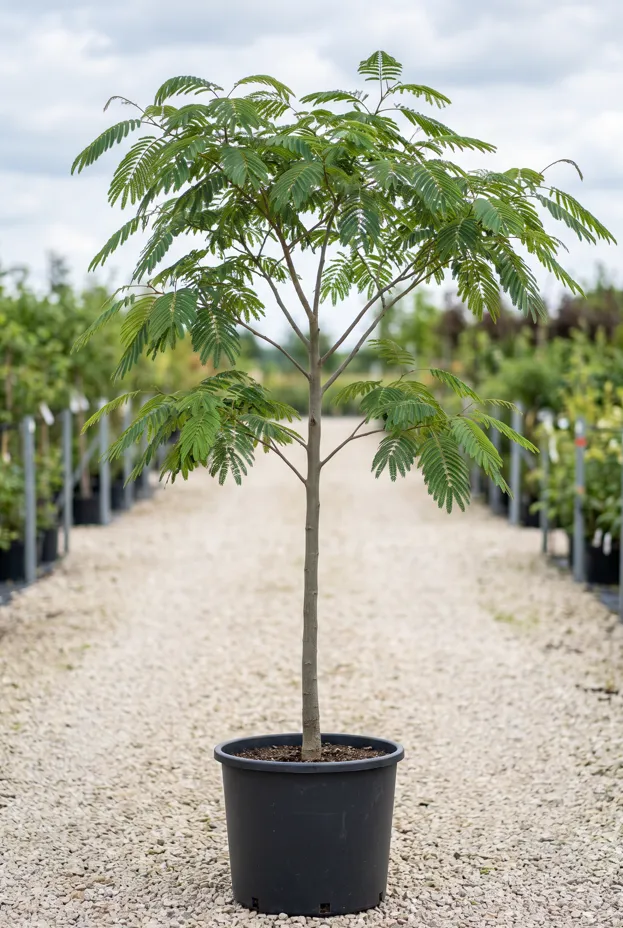
The Cercis siliquastrum, popularly known as the Judas tree, is a tree native to the Mediterranean basin and western Asia. It is a small-to-medium-sized deciduous tree that stands out for its spectacular pink-purple flowering, which sprouts directly on the trunk and bare branches in early spring, before the appearance of the heart-shaped leaves.

Its irregular and sculptural shape, along with its early and showy flowering, make it a highly appreciated option as an isolated specimen or as an accompaniment in Mediterranean gardens.

It tolerates drought well once established and adapts to calcareous and poor soils, provided it has good drainage.

At Ornacom we cultivate each specimen directly, guaranteeing a balanced size and vigorous development from the first years of planting.
Extended species profile

Verified cultivation data, designed so that any visitor can understand at a glance whether the plant is suitable for their climate and garden.

Crop

Exposure

Full sun

Irrigation

2/5 · bajo — riego de apoyo en establecimiento y sequía; dejar secar parcialmente

Soil / moisture

Dry to cool; well drained

Bloom

Summer

Climate

USDA Hardiness

6–9

Compatible climates

Csa, Csb, Cfa, Cfb warm

Tolerance to humid climate

3/5 · media

Maintenance

Development

4/5 · 4–8 m · crecimiento medio

Pests

3/5 · media — insectos chupadores/perforadores y hongos foliares o de raíz; vigilar estrés hídrico

Pass

2/5 · bajo — priorizar suelo y materia orgánica; abonar en primavera solo según análisis y vigor

  • Warning

Avoid late transplanting and saturated soil; prolonged moisture can favor foliar diseases.

Cercis siliquastrum: characteristics and care

The Cercis siliquastrum, popularly known as the Judas tree, is a tree native to the Mediterranean basin and western Asia. It is a small-to-medium-sized deciduous tree that stands out for its spectacular pink-purple flowering, which sprouts directly on the trunk and bare branches in early spring, before the appearance of the heart-shaped leaves.

Its irregular and sculptural shape, along with its early and showy flowering, make it a highly appreciated option as an isolated specimen or as an accompaniment in Mediterranean gardens.

It tolerates drought well once established and adapts to calcareous and poor soils, provided it has good drainage.

At Ornacom we cultivate each specimen directly, guaranteeing a balanced size and vigorous development from the first years of planting.


Extended species profile

Verified cultivation data, designed so that any visitor can understand at a glance whether the plant is suitable for their climate and garden.

Crop

Exposure

Full sun

Irrigation

2/5 · bajo — riego de apoyo en establecimiento y sequía; dejar secar parcialmente

Soil / moisture

Dry to cool; well drained

Bloom

Summer

Climate

USDA Hardiness

6–9

Compatible climates

Csa, Csb, Cfa, Cfb warm

Tolerance to humid climate

3/5 · media

Maintenance

Development

4/5 · 4–8 m · crecimiento medio

Pests

3/5 · media — insectos chupadores/perforadores y hongos foliares o de raíz; vigilar estrés hídrico

Pass

2/5 · bajo — priorizar suelo y materia orgánica; abonar en primavera solo según análisis y vigor

  • Warning

Avoid late transplanting and saturated soil; prolonged moisture can favor foliar diseases.

Contact our sales team

Get a quote