Westringia longifolia

Westringia longifolia

Westringia longifolia: characteristics and care

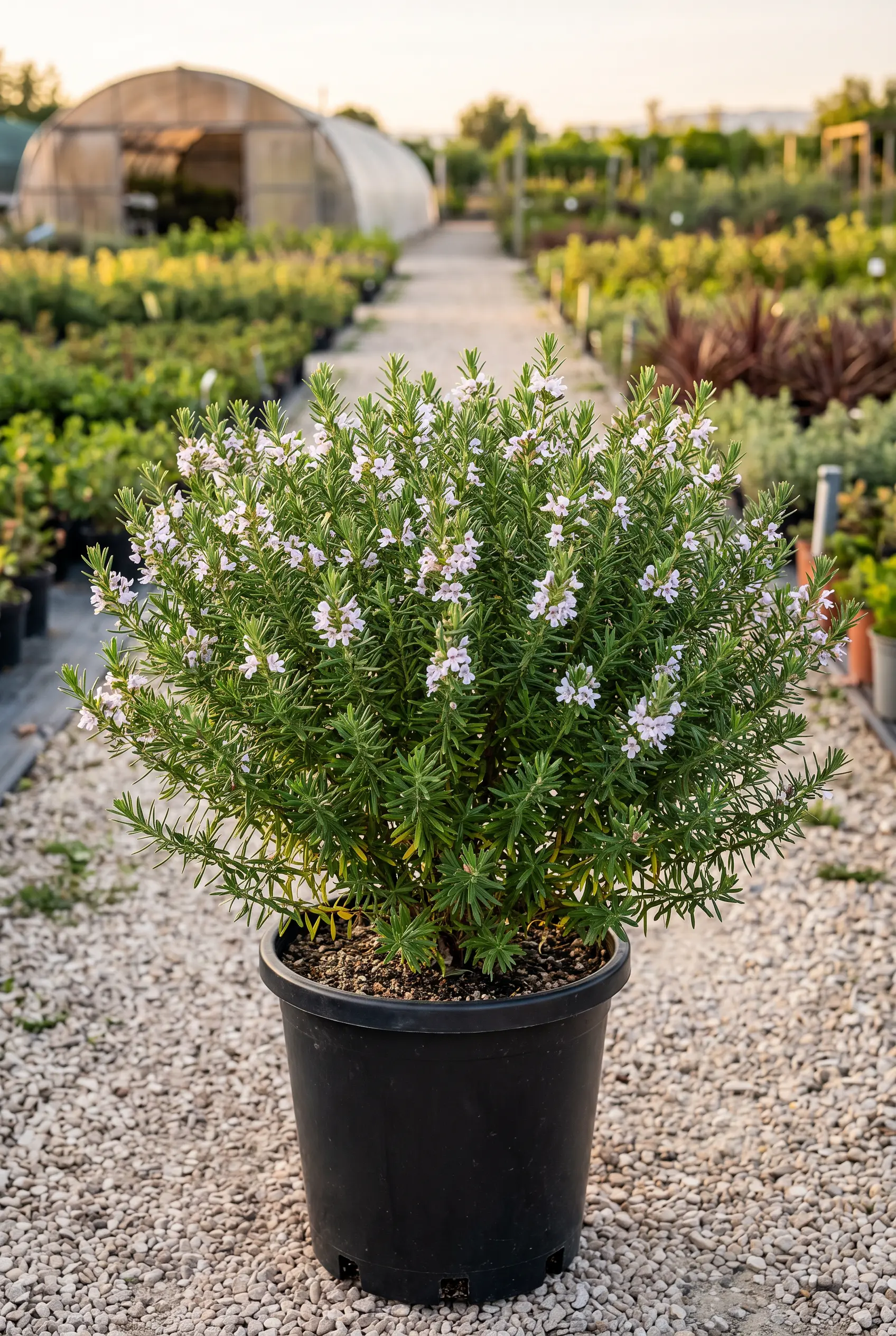
Westringia longifolia, popularly known as long-leaf sea rosemary, is a perennial shrub native to Australia, with a more upright habit than W. fruticosa, which stands out for its narrow and elongated grayish-green foliage and its small white flowers.

Its more upright growth habit and fine foliage make it an interesting option for adding texture and volume to flowerbeds and informal hedges.

It tolerates salinity, wind and drought very well, making it an excellent choice for coastal gardens.

At Ornacom we cultivate each specimen directly, guaranteeing a balanced size and vigorous development from the first years of planting.
Extended species profile

Verified cultivation data, designed so that any visitor can understand at a glance whether the plant is suitable for their climate and garden.

Crop

Exposure

Full sun or partial shade

Irrigation

ORN-RIEGO 2/5 · low — supplemental irrigation during establishment and drought; allow to partially dry

Soil / moisture

Dry to cool; well drained

Bloom

Summer

Climate

USDA Hardiness

9–11

Compatible climates

Csa, Csb, Cfa warm

Tolerance to humid climate

ORN-HUM 3/5 · medium

Maintenance

Development

ORN-ALT 3/5 · 1,5–3 m · crecimiento medio

Pests

ORN-PLAGA 2/5 · low — occasional leafhoppers/mealybugs and stem rot from excess water

Pass

ORN-FERTILIZER 1/5 · very low — moderate application in spring only if the soil is poor; avoid excess N

  • Warning

More limited international horticultural data than for W. fruticosa; avoid waterlogging.

Westringia longifolia: characteristics and care

Westringia longifolia, popularly known as long-leaf sea rosemary, is a perennial shrub native to Australia, with a more upright habit than W. fruticosa, which stands out for its narrow and elongated grayish-green foliage and its small white flowers.

Its more upright growth habit and fine foliage make it an interesting option for adding texture and volume to flowerbeds and informal hedges.

It tolerates salinity, wind and drought very well, making it an excellent choice for coastal gardens.

At Ornacom we cultivate each specimen directly, guaranteeing a balanced size and vigorous development from the first years of planting.

Extended species profile

Verified cultivation data, designed so that any visitor can understand at a glance whether the plant is suitable for their climate and garden.

Crop

Exposure

Full sun or partial shade

Irrigation

ORN-RIEGO 2/5 · low — supplemental irrigation during establishment and drought; allow to partially dry

Soil / moisture

Dry to cool; well drained

Bloom

Mainly summer

Climate

USDA Hardiness

9–11

Compatible climates

Csa, Csb, Cfa warm

Tolerance to humid climate

ORN-HUM 3/5 · medium

Maintenance

Development

ORN-ALT 3/5 · 1,5–3 m · crecimiento medio

Pests

ORN-PLAGA 2/5 · low — occasional leafhoppers/mealybugs and stem rot from excess water

Pass

ORN-FERTILIZER 1/5 · very low — moderate application in spring only if the soil is poor; avoid excess N

  • Warning

More limited international horticultural data than for W. fruticosa; avoid waterlogging.

Contact our sales team

Get a quote