Ampelopsis veitchii

Features and care

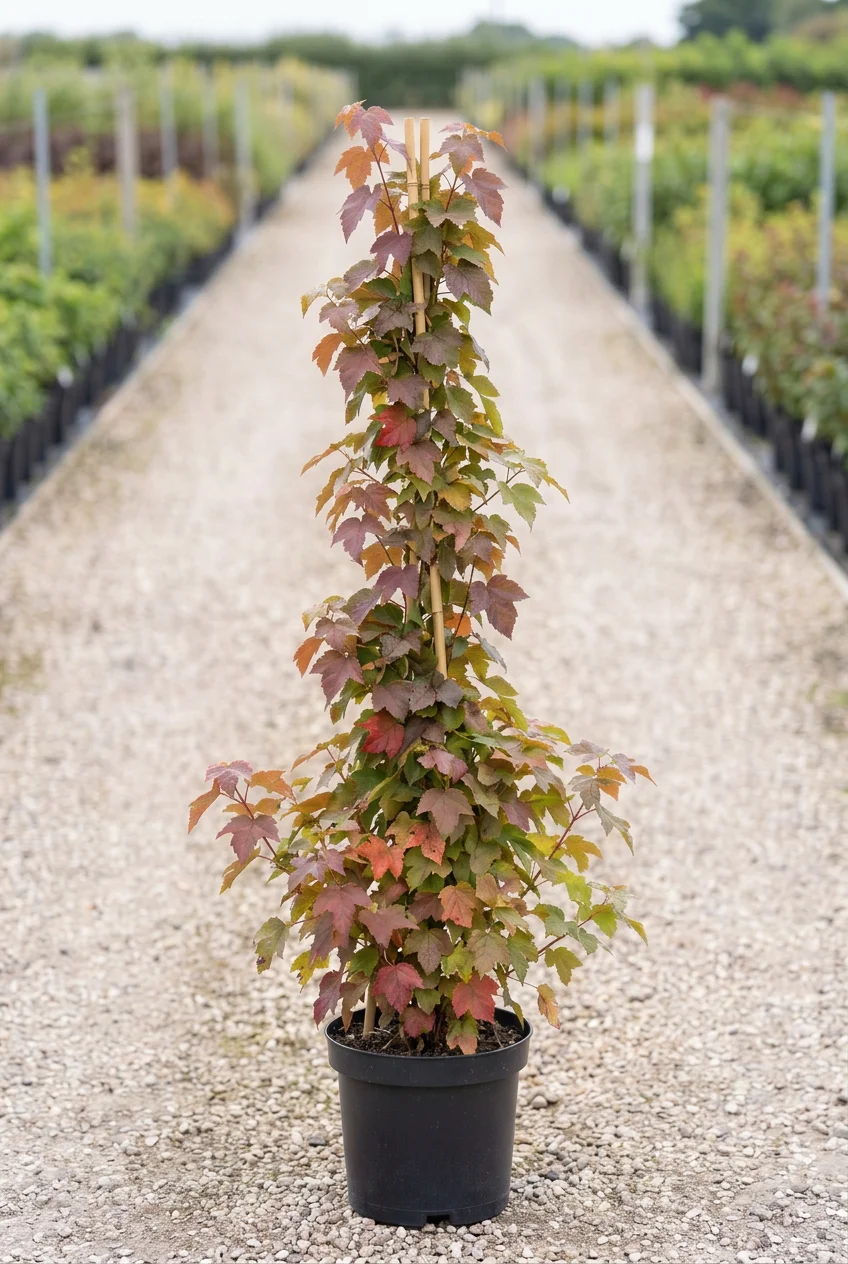
Ampelopsis veitchii, known as Veitch’s Virginia creeper or Japanese creeper, is a fast-growing, deciduous climbing plant native to East Asia. It can reach several meters in length, developing slender, flexible stems that easily cling to walls, pergolas, fences, and other structures using tendrils equipped with small adhesive discs. Its leaves are simple or trilobed, bright green, and turn vibrant shades of red, orange, and purple in autumn before falling. It is a highly valued ornamental plant due to its ability to provide ample coverage and its attractive seasonal color changes.

During the summer, it produces small, inconspicuous greenish flowers, which later develop into small, rounded fruits in shades of dark blue or violet. Its foliage grows densely across the surfaces it covers, creating a uniform and decorative appearance. It is a hardy and adaptable species, capable of thriving in various soil types and tolerating different exposure conditions. It is particularly suitable for covering walls, facades, pergolas, and vertical structures, adding significant ornamental interest during the autumn.

At Ornacom we cultivate each specimen directly, guaranteeing vigorous growth, uniform coverage and balanced development from the first years of planting.
Extended species profile

Verified cultivation data, designed so that any visitor can understand at a glance whether the plant is suitable for their climate and garden.

Crop

Exposure

Full sun

Irrigation

ORN-WATERING 4/5 · high — maintain uniform moisture, increasing in heat; without saturation

Soil / moisture

Fresh to moist; well-drained

Bloom

Spring-summer

Climate

USDA Hardiness

4–9

Compatible climates

Cfa, Cfb, Dfa, Dfb, Csa

Tolerance to humid climate

ORN-HUM 5/5 · very high

Maintenance

Development

ORN-ALT 5/5 · 10–20 m · fast growth — reach with support

Pests

ORN-PLAGA 3/5 · medium — mealybugs, mites, leaf spots and root rot

Pass

ORN-FEEDING 3/5 · medium — balanced fertilizer at the start of growth; avoid excessive N and soft tissues

  • Warning

Horticultural name; sticky and vigorous, can damage deteriorated surfaces. Toxic fruits.

Extended species profile

Verified cultivation data, designed so that any visitor can understand at a glance whether the plant is suitable for their climate and garden.

Crop

Exposure

Full sun

Irrigation

ORN-WATERING 4/5 · high — maintain uniform moisture, increasing in heat; without saturation

Soil / moisture

Fresh to moist; well-drained

Bloom

Summer

Climate

USDA Hardiness

4–9

Compatible climates

Cfa, Cfb, Dfa, Dfb, Csa

Tolerance to humid climate

ORN-HUM 5/5 · very high

Maintenance

Development

ORN-ALT 5/5 · 10–20 m · fast growth — reach with support

Pests

ORN-PLAGA 3/5 · medium — mealybugs, mites, leaf spots and root rot

Pass

ORN-FEEDING 3/5 · medium — balanced fertilizer at the start of growth; avoid excessive N and soft tissues

  • Warning

Horticultural name; sticky and vigorous, can damage deteriorated surfaces. Toxic fruits.

Contact our sales team

Get a quote